Book Review, Dystopian, Philosophy, Series

Series: Earthseed by O.E.B.

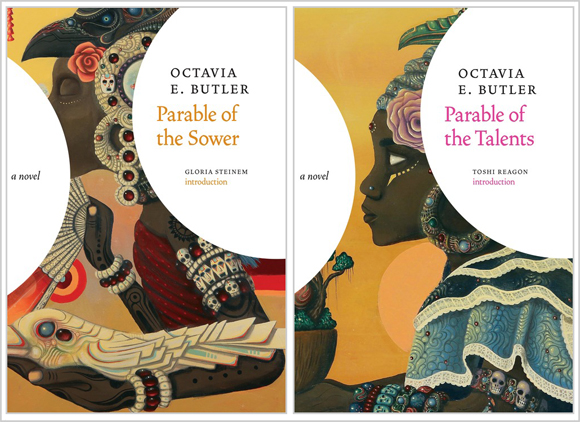
The Parable of the Sower

4 stars. Whoa. I’ve been waiting to read this book for a while. I think a few years ago when I first purchased Kindred. The Parable of the Sower is basically prophetic. Like, the parallels between what is happening in the world now are glaring! I urge to you to pick up this book now! Lauren isn’t my most favorite narrator, but she gives a whole new perspective to survival. I also think a lot of her hyperempathy was lost in regards to smaller feelings, but I explained away my disappointment in the interest of time and pages on Butler’s behalf. But Butler sure knows how to weave a compelling story, and while raw dystopian novels aren’t really my cup of tea I am mildly convinced to read the rest of this series. Will Earthseed find peace? I don’t know! But do I want to know what happens between Lauren and Bankole (yikes! age gap) even less so. Who knows which part of me will win in the end.

Parable of the Talents

Who knows. Someday, maybe.

Parable of the Trickster

Unfinished by author before her death.
Book Review, Dystopian, Historical Fiction, Series, Steampunk, YA Science Fiction

Series: Dread Nation by J.I.

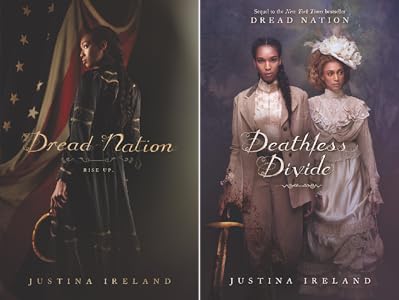
Dread Nation

5 stars. I absolutely loved this concept, the execution, the characters. Every. Last. Word.

Except (yes, always the exception) I tired of the tribute to Friends episode titles that adorned every chapter title. To be fair, I have only ever watched one episode of Friends in its entirety and have done so several times. Why can’t I move past the first episode? you may ask. Well, this is a review about Dread Nation not Friends, so I’m moving on.

This book is not Friends (from what I can discern from memes, gifs, and the like), this book is a national treasure and everyone should read it! Don’t read it for the historical allusion to life after the Civil War or even the zombies, read it for the way it addresses the complex issue of race, passing, and deeply entrenched discrimination (and a little for the zombies).

Deathless Divide

4 stars. First can I just say: this is the book we all didn’t know we needed. Zombies, queer leads, awesome fighting, thoughtful character development. Boom! When I saw that it was going to be a book going back and forth between the two main characters POV, I was not exactly thrilled. “It’s just a lazy way to go about writing” I usually say to myself. But, boy howdy, I was wrong. I needed Katherine’s insight just as much as Jane. Though I missed a full-on Jane narration like in Dread Nation, I could never have imagined a better execution for the interchanging first-person narrative.

I don’t remember why I gave it four stars instead of five. I should have written better notes. I won’t change it and maybe someday I’ll remember why I didn’t think it deserved as good of a rating as the first one. I think I was probably too enthralled with the story to remember to write down what I didn’t like. Which goes to show how good the book was, I think.

(Remember how I talked too much about Friends in my review of Dread Nation? Turns out you can just ignore the chapter titles and then it doesn’t have an effect on you at all!)

Fantasy, Fiction, Horror/Thriller/Suspense, Mystery

Ninth House by L.B.

43263680

4 stars. Wow. This was a raw metaphor for greek life on college campuses across the nation with their white-entitlement, detrimental hazing rituals, and blatant disregard for anyone besides themselves. Bardugo caught Brock Turner in every evil, vile act he ever escaped because he was “a kid with a promising future” and showed us how many of those people go under the radar for years only to become the Brett Kavanaughs of the world. Why read a book about WASP kids dabbling in stuff they don’t understand? Because the main character is a BA POC and she investigates beautifully. Also spooky ghosts, real life problems, and twists and turns! READ IT! I mean it was slow going at times, but entirely worth it. Bardugo is becoming more of a favorite with every book I read.

Book Review, Children's Fiction, YA Fantasy

Race to the Sun by R.R.

36353103

4 stars. Roanhorse builds a fantastic world. My mom grew up on the Navajo Reservation and I often read books about the Hero Twins as a kid (think Monster Slayer by Vee F. Browne). So besides that, I don’t think I’d really ever read a fiction book that focused on indigenous culture, it was wonderful to read an “own voices” book filled with delightful imagery and real challenges with a VERY teenage narrative flair. I loved it! I wish the struggle was a little more “real” just because splitting up and never hearing about how they each got their tokens for Spider Woman was rather frustrating. I would have very much liked to get insight on those side adventures or not have the team split up in the first place. Aside from that I was so proud of Nizhoni when she passed the trials that I didn’t even really care about the last battle, though it was intense but too fast paced.

RECOMMEND RECOMMEND RECOMMEND!

Book Review, Fiction, Memoirs/Autobiography

The Bell Jar by S.P.

839103. sy475

3 stars. Despite 4 racist statements within the first 2 chapters (after which I quite keeping track) I can see why this book is a hit, but also cannot fathom why it is.
The extreme selfish nature of our narrator was discouraging and the manner of prose wasn’t actually altogether engaging. But some of the themes–namely mental health–do qualify it to be a nominal feminist piece rather than the “seminal” label given under other circumstances. I wasn’t a fan. I wasn’t about to stick my head in an oven to end my pain, but now that I’ve read it I’d rather not think about it ever again. And if I want to read actual feminist literature from this era I will probably turn to Betty Friedan or Gloria Steinem or Maya Angelou or any number of others that remain relevant in todays gender climate. I do not enjoy the company of those with a personality similar to Esther and similarly did not enjoy reading about it. Also the amount of white privilege seeping from the pages filled me with so much disdain that I ultimately decided to not even try out Plath’s poetry to see if it redeemed her.

To clarify, I do not claim that because of Esther’s socio-economic background her feelings and very real problems are not valid. I am just pointing out the dangers in continuing to call this book an essential read for all feminists/humanity due to its many toxic themes perpetuating a culture of oppression for the underprivileged.